The global market for pre fab buildings is changing quickly. Manufacturers now serve housing, education, healthcare, offices, and remote work sites. Their factories use controlled processes, repeatable measurements, and digital quality checks. Yet factory production does not automatically guarantee superior performance.
This guide examines ten leading prefab building manufacturers worldwide. It considers more than product appearance or company size. The evaluation includes manufacturing experience, structural design capability, insulation systems, material traceability, delivery performance, and after-sales support. Regional climate matters too. A wall designed for a mild coastal area may perform poorly in heavy snow or extreme heat. Fire safety, energy efficiency, accessibility, and local building requirements also need careful review.
Details matter.
A reliable manufacturer should explain its engineering methods, factory standards, expected service life, and warranty limits. Site preparation is equally important. Poor foundations, delayed utilities, or incorrect installation can undermine a well-made module. Some companies publish extensive technical information, while others provide polished images but limited evidence. That difference deserves attention.
The companies listed here are not judged by marketing claims alone. Public records, project experience, certifications, customer feedback, and practical product information offer stronger evidence. However, rankings can change as technologies, ownership, and regional performance develop. Data may also be incomplete. That is worth admitting.
Readers should treat this list as a research starting point, not a final purchasing decision. Request current specifications, inspect completed projects, and obtain independent professional advice before signing a contract. A smart comparison begins with questions, not assumptions.
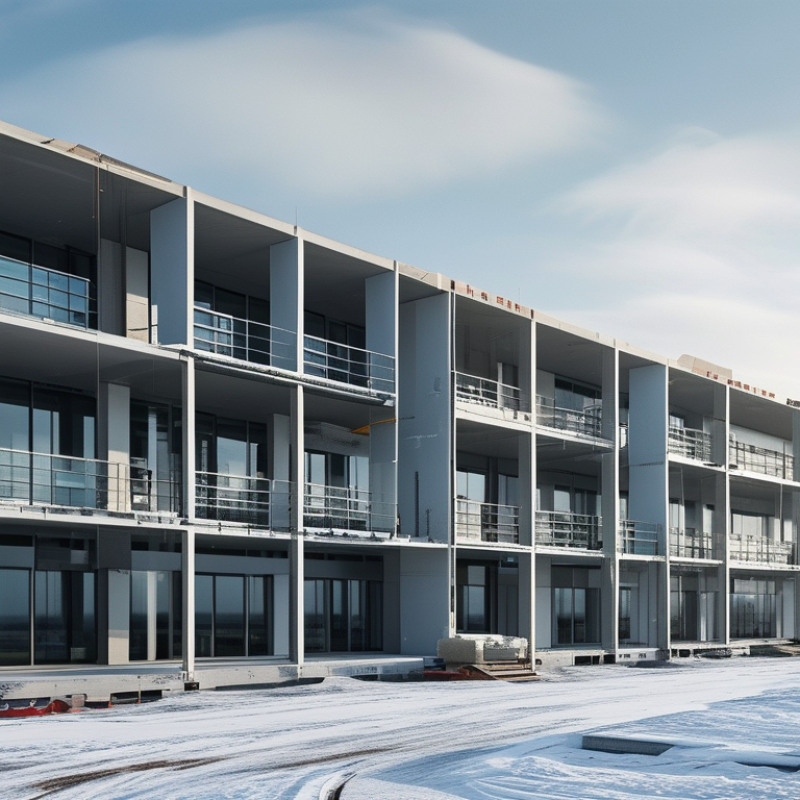
Prefab buildings are structures made from factory-produced sections, then assembled at the building site. These sections may include wall panels, roof systems, floors, or complete room modules. Manufacturing begins with detailed digital drawings and material schedules. Engineers check loads, connections, insulation, ventilation, and local building requirements before production starts.
In the factory, automated cutting tools shape steel, timber, or composite materials with consistent measurements. Workers then install wiring, plumbing, windows, and interior finishes in controlled conditions. Quality teams inspect joints, moisture barriers, surface defects, and dimensional accuracy. The finished modules travel to the site, where cranes position them on prepared foundations. Connections are secured, utilities are tested, and inspectors verify the completed structure. The process is efficient, but it is not flawless. A small measurement error can delay several trades.
Tips: Check the manufacturer’s technical drawings, factory inspection records, material warranties, and installation method. Confirm who handles transport, crane access, foundation preparation, and final testing. Ask for a sample wall section if possible. It reveals more than polished photographs. Also, leave time for weather and site adjustments; real projects rarely follow the schedule perfectly.
Choosing among the top 10 prefab building manufacturers worldwide requires more than comparing website photos and quoted prices. In my experience, a reliable evaluation begins with factory evidence. Request production videos, material specifications, welding samples, and quality-control records. Check whether the manufacturer has completed projects in climates similar to yours. A coastal project needs different corrosion protection than a dry inland site. Ask for independent references, not only testimonials selected by the supplier.
Review technical capability closely. Can the engineering team provide structural calculations, energy-performance data, installation drawings, and realistic delivery schedules? Confirm that designs can meet the applicable local building codes and site conditions. A trustworthy manufacturer explains limitations clearly. Vague answers are warning signs. So are unusually short lead times. A low price may exclude foundations, transport, assembly, or necessary inspections. That mistake becomes expensive later.
Tips: Compare at least three detailed quotations using the same specifications. Inspect a completed building if possible. Ask who supervises installation and how defects are corrected. Check warranty terms, spare-part access, payment stages, and communication procedures. Keep every promise in writing. No checklist is perfect. I once underestimated the importance of after-sales support, and a small design change created weeks of delay. Cultural and time-zone differences can also affect decisions. Choose a manufacturer that documents changes, responds with technical clarity, and accepts reasonable scrutiny.
Top 10 Prefab Building Manufacturers Worldwide: Market and Expertise
The leading ten prefab manufacturers should be judged by market reach, technical depth, and delivery records. Global modular construction could reach about USD 130 billion annually in Europe and North America by 2030, according to McKinsey. The report also notes potential cost savings near 20% and shorter schedules of 20% to 50%. These figures explain the industry’s growth, but they do not prove equal quality.
Market expertise varies sharply. Asian manufacturers often compete through high-volume production and steel systems. North American specialists focus on multifamily housing, healthcare, and rapid site assembly. European producers usually emphasize energy performance, timber engineering, and circular materials. A serious top-ten review should inspect factory automation, seismic design, transport planning, warranty support, and local code compliance. Factory photos are not enough. Site evidence matters more. Sadly, public rankings often mix manufacturers, contractors, and distributors, which makes comparison imperfect.
Tips: Compare three completed projects in the same climate zone. Ask for installation timelines, defect rates, material certificates, and maintenance records. Also check whether factory capacity matches the promised schedule. A large facility can still create delays. McKinsey’s figures are useful benchmarks, not guarantees. Local labor skills, road access, weather, and foundation readiness can change the final result. That part is often underestimated.
Prefab building manufacturers now sell more than factory-made walls. Their product ranges include volumetric rooms, panelized structural systems, precast concrete units, and hybrid timber-steel frames. These systems can arrive with insulation, wiring, plumbing, windows, and interior finishes already installed. That changes the construction site into an assembly zone.
Technology supports this shift. Building Information Modeling coordinates design, quantities, and factory instructions before production begins. CNC cutting, robotic welding, automated quality checks, and digital twins improve repeatability. Some manufacturers also integrate heat pumps, smart meters, photovoltaic roofs, and low-carbon concrete. According to McKinsey’s “Modular Construction” report, modular methods may reduce project schedules by 20–50% and costs by up to 20% in suitable conditions. The qualification matters. Site access, transport limits, local codes, and design changes can reduce those gains.
Environmental performance is becoming a product feature, not just a marketing claim. The 2023 UNEP Global Status Report states that buildings consume about 34% of global energy and produce around 37% of energy-related emissions. Manufacturers therefore offer recycled steel, engineered timber, airtight envelopes, factory waste tracking, and reusable connection systems. These solutions sound convincing, but factory production does not automatically mean low carbon. Transport distance, cement content, and poor operational design still matter. Buyers should request verified environmental data, warranty terms, fire testing, and measured energy performance. One weakness remains: digital systems can improve accuracy, yet they cannot repair vague specifications or weak installation training.
| Position | Manufacturer | Primary Market Region | Main Prefabricated Products | Core Construction System | Key Technologies | Typical Building Applications | Factory Quality Controls | Sustainability Features | Delivery Capability |
|---|---|---|---|---|---|---|---|---|---|
| 1 | Manufacturer 01 | North America and selected international markets | Volumetric modular apartments, hotels, student housing and workforce accommodation | Factory-finished volumetric modules using steel or reinforced concrete frames | 3D modular coordination, BIM-based design, automated MEP installation and digital production tracking | Multifamily housing, hospitality, healthcare and educational facilities | Dimensional checks, weld inspection, moisture testing, pressure testing and factory acceptance inspections | Reduced site waste, controlled material purchasing and energy-efficient wall assemblies | Design, manufacturing, transport, craning and installation services |
| 2 | Manufacturer 02 | Western Europe and the United Kingdom | Bathroom pods, kitchen pods, utility rooms and hotel room modules | Volumetric wet-room and service-module construction | Pre-installed plumbing, electrical harnesses, waterproofing systems and repeatable assembly jigs | Hotels, hospitals, student residences, residential towers and public-sector housing | Water-tightness testing, electrical continuity testing, dimensional inspection and component traceability | Lower on-site water consumption, reduced packaging waste and efficient bathroom material use | Module production with coordinated site delivery and connection support |
| 3 | Manufacturer 03 | Northern and Central Europe | Timber-frame homes, apartment panels, roof cassettes and wall elements | Panelized timber construction with engineered wood components | CNC cutting, automated panel lines, vapor-control detailing and high-performance insulation systems | Detached homes, social housing, schools, offices and low-rise apartments | Moisture measurement, structural fastening checks, air-tightness preparation and factory dimensional control | Renewable timber sourcing, low-carbon structure, material optimization and passive-house-compatible designs | Panel production, protected transport and rapid site assembly |
| 4 | Manufacturer 04 | East Asia and Southeast Asia | Prefabricated apartments, emergency shelters, schools and site offices | Steel modular buildings and prefabricated reinforced-concrete systems | Robotic welding, digital factory planning, seismic detailing and standardized modular grids | Urban housing, disaster-relief buildings, construction camps and public facilities | Steel inspection, concrete strength testing, coating checks and non-destructive examination | Factory batching, reusable formwork, optimized steel cutting and reduced construction-site disturbance | High-volume production with containerized or flat-rack shipment options |
| 5 | Manufacturer 05 | Australia, New Zealand and the Pacific region | Modular homes, classrooms, healthcare rooms and remote-site accommodation | Light-gauge steel or timber volumetric modules | Off-site MEP integration, cyclone-resistant detailing, transport engineering and digital estimating | Remote housing, schools, clinics, mining camps and residential developments | Wind-load verification, corrosion protection, electrical testing and transport-readiness inspections | High-efficiency insulation, water-saving fixtures and reduced on-site labor requirements | Regional design adaptation, long-distance transport and site installation |
| 6 | Manufacturer 06 | Middle East and North Africa | Modular villas, labor accommodations, classrooms and temporary facilities | Steel-frame modular units with insulated sandwich panels | Thermal-envelope engineering, rapid assembly, prewired modules and corrosion-resistant finishes | Worker accommodation, military facilities, offices, retail units and schools | Coating-thickness checks, load testing, HVAC commissioning and water-pressure testing | Solar-ready roofs, reflective exterior finishes, efficient air-conditioning systems and reduced site waste | Turnkey export packages with foundation, utility and installation coordination |
| 7 | Manufacturer 07 | Latin America and the Caribbean | Affordable housing, classroom blocks, clinics and commercial modules | Panelized concrete, steel modules and hybrid prefabricated systems | Reusable molds, precast production, modular service cores and standardized structural layouts | Social housing, health centers, schools, offices and small commercial buildings | Concrete cube testing, reinforcement inspection, dimensional checks and installation audits | Material-efficient precast components, reduced formwork waste and shorter site schedules | Scalable production for standardized housing and public-infrastructure programs |
| 8 | Manufacturer 08 | United States and Canada | Light-gauge steel panels, roof systems, commercial modules and housing components | Cold-formed steel framing and panelized construction | Roll forming, CNC fabrication, structural modeling and integrated sheathing systems | Single-family housing, apartments, offices, retail and institutional buildings | Galvanization verification, fastener inspection, frame tolerances and engineering documentation | Recyclable steel content, precise material cutting and reduced framing waste | Design-assist services, component manufacturing and contractor-ready delivery |
| 9 | Manufacturer 09 | Europe and selected global export markets | Precast wall panels, floor slabs, stairs, façades and structural frames | Industrialized precast reinforced-concrete construction | Automated batching, digitally controlled reinforcement, reusable molds and BIM-linked production | Residential buildings, parking structures, warehouses, offices and infrastructure facilities | Concrete strength testing, reinforcement checks, surface-finish inspection and lifting-point verification | Optimized concrete mix designs, reusable molds and long-life structural components | Large-component production with engineered lifting and transport planning |
| 10 | Manufacturer 10 | Global export markets | Flat-pack homes, container-based units, portable offices and disaster-response shelters | Knock-down steel-frame and panelized modular construction | Flat-pack logistics, bolt-together connections, standardized panels and rapid deployment methods | Temporary housing, site offices, retail kiosks, classrooms and emergency accommodation | Connection checks, panel inspection, packing verification and pre-shipment quality audits | Compact shipping volumes, reusable components, low foundation requirements and minimal site disturbance | Export-ready kits with optional installation manuals and technical support |
Choosing the right prefab building manufacturer requires more than comparing catalog prices. Review each company’s engineering experience, factory capacity, and completed projects. Ask for structural calculations, material specifications, and quality-control records. Reliable manufacturers should explain insulation, fire resistance, moisture protection, and expected service life clearly.
Site conditions matter. A design suitable for a dry climate may fail in heavy rain or strong wind. Confirm compliance with local building codes and request evidence from qualified inspectors. Study the delivery plan, crane access, foundation requirements, and installation schedule. A low quotation can look attractive. It may not remain low after transport, modifications, and site delays. I would also speak with previous clients, although one reference cannot reveal everything.
Tips: Compare at least three detailed proposals. Check whether the warranty covers both materials and installation. Request a sample wall section, not only attractive drawings. Clarify who handles permits, inspections, and repairs. Visit the factory if possible. Look for organized storage, labeled components, and documented testing. Do not ignore communication quality; delayed answers often become delayed decisions. A manufacturer may have excellent products but still be unsuitable for a project with limited access or changing requirements. Allow room for design revisions, because real sites rarely match early assumptions perfectly.
Instead of ranking companies by name, this procurement framework compares the ten factors that should be verified when selecting a prefab building manufacturer. The percentage values represent recommended evaluation weights for a balanced project assessment.
Use these weights as a practical starting point, then adjust them according to your project type, local building regulations, site conditions, budget, schedule, and required certification. A reliable manufacturer should provide documented evidence rather than only marketing claims.