China Top 10 Engineered Steel Buildings Manufacturers?
China’s engineered steel buildings sector includes manufacturers serving warehouses, workshops, logistics centers, agricultural facilities, and commercial projects. This guide introduces ten notable companies associated with this market. The selection considers manufacturing capacity, design support, project experience, material traceability, and after-sales service.
A strong manufacturer should provide clear structural drawings, accurate load calculations, and documented steel grades. Factory quality also matters. Look for automated cutting, controlled welding, corrosion-resistant coatings, and consistent inspection records. A finished frame should arrive with labeled parts, practical assembly instructions, and dependable technical support. Small details often affect installation speed.
The phrase “top 10” should not imply one permanent ranking. Regional demand, project size, certifications, and delivery conditions can change the result. Some manufacturers publish extensive case studies, while others provide limited English documentation. That gap deserves attention. Buyers should verify factory ownership, relevant certifications, production capacity, and references from comparable projects. Site conditions, wind loads, seismic requirements, fire protection, and local building codes must also guide the final decision.
This overview aims to support careful comparison rather than promote unverified claims. Each company should be assessed against the project’s actual requirements, budget, and schedule. A low quotation may exclude insulation, foundations, transport, or installation. That can create unexpected costs later. Practical experience suggests that transparent communication is as important as steel quality. Even a technically capable supplier may struggle when drawings, delivery dates, or responsibilities remain unclear. Manufacturers that combine engineering expertise, responsive service, and reliable documentation deserve closer consideration.
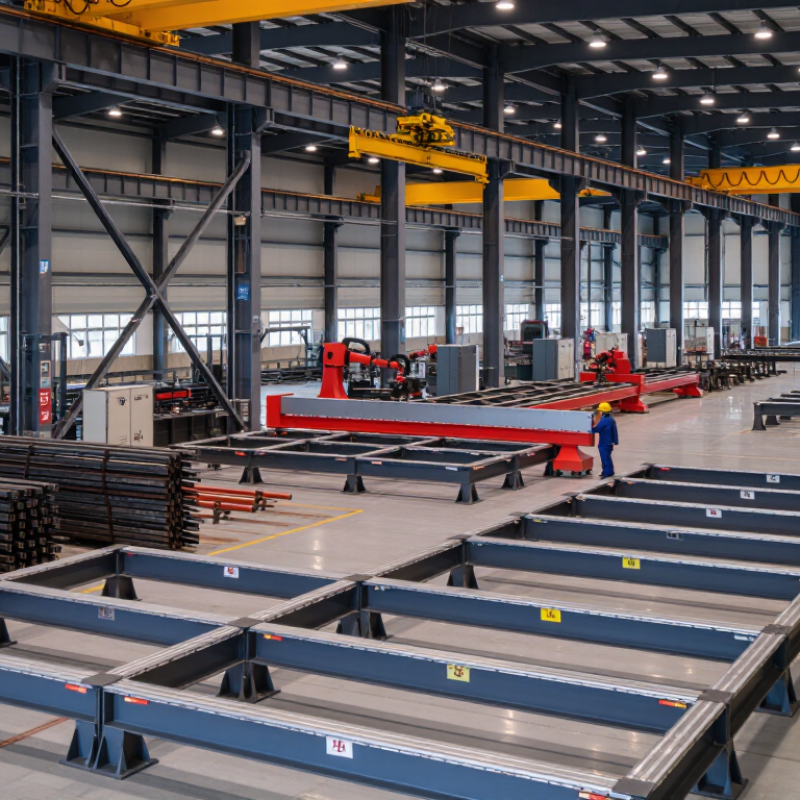
How Engineered Steel Building Manufacturers Are Evaluated in China
Evaluating China’s engineered steel building manufacturers requires more than comparing quotations. Buyers should inspect structural design, fabrication control, site experience, and after-sales response. The World Steel Association recorded China’s crude steel output at 1,019.1 million tonnes in 2023. This scale supports strong supply capacity, but volume alone does not prove engineering quality.
A reliable evaluation begins with design compliance. Check calculations against Chinese seismic and steel structure standards, including connection details, fire protection, and wind-load assumptions. Ask for welding procedure records, ultrasonic inspection results, bolt certificates, and coating thickness measurements. Factory visits can reveal practical details: organized cutting lines, calibrated equipment, dry storage, and clearly marked components. The ISO 12944 corrosion protection framework also helps compare coating systems for coastal or humid projects.
Project evidence matters more than polished brochures. Review completed buildings with similar spans, roof loads, climate conditions, and installation schedules. A useful scorecard can assign weight to engineering competence, quality documentation, delivery accuracy, safety management, and lifecycle maintenance. The World Green Building Council reports that buildings contribute about 39% of global energy-related carbon emissions, so material efficiency and operational performance deserve attention. Still, no scorecard is perfect. A low bid may conceal thinner coatings, weak documentation, or rushed site work. Ask uncomfortable questions. Small omissions often become expensive repairs.
How Engineered Steel Building Manufacturers Are Evaluated in China
A practical evaluation framework based on commonly used procurement criteria for engineered steel building projects. Percentages represent indicative decision weights rather than company-specific results.
Engineering and fabrication quality typically receive the highest weighting because structural safety, dimensional accuracy, welding quality, corrosion protection, and compliance with applicable standards directly affect project performance. Delivery, customization, after-sales support, and sustainability are also considered during supplier evaluation.
China’s Top 10 Engineered Steel Building Manufacturers
China’s Top 10 Engineered Steel Building Manufacturers
China’s engineered steel building sector is supported by massive industrial capacity. The World Steel Association reported 1,005.1 million tonnes of crude steel production in China during 2024. This scale supports faster fabrication, wider material choices, and competitive project pricing.
However, production volume alone cannot define the top 10 manufacturers. Reliable evaluation should examine structural engineering experience, welding quality, coating systems, BIM coordination, and documented inspection procedures. Manufacturers serving warehouses, factories, aircraft hangars, and multi-storey buildings should provide traceable mill certificates and clear load calculations. ISO 9001 certification is useful, but it does not replace independent quality checks. That point is often missed. The IEA estimates that steelmaking creates about 7% of global energy-related emissions, so material efficiency and low-waste design now matter more. Rankings can also be imperfect because delivery records and after-sales performance are not always publicly disclosed.
Tips:
Request a sample calculation package, inspection plan, and recent project evidence. Compare connection details, not only the quoted steel weight. Ask how suppliers control distortion, corrosion protection, and dimensional tolerances. A strong factory should explain problems openly. That builds trust. Local building codes, seismic conditions, fire protection, and wind loads must be reviewed by qualified engineers before procurement.
Quality Standards, Certifications, and Production Strengths
China’s top engineered steel building manufacturers should be judged by verified quality systems, not factory size alone. The World Steel Association’s World Steel in Figures 2024 reported 1,019.1 million tonnes of crude steel production in China during 2023, representing over half of global output. This scale supports strong material access, automated cutting, and high-volume fabrication. It does not automatically prove building quality.
Reliable manufacturers typically operate under ISO 9001 for quality management and ISO 14001 for environmental control. Welding-focused facilities may also follow ISO 3834, while projects for European markets often require EN 1090-1 compliance and traceable CE documentation.
Inspectors should request mill certificates, welding procedure qualifications, welder records, dimensional reports, and non-destructive testing results. Small details matter.
Production strength is visible on the shop floor. Look for CNC drilling, robotic welding, shot blasting, controlled coating thickness, and barcode-based steel tracking. The International Organization for Standardization’s ISO Survey 2023 recorded more than one million ISO 9001 certificates worldwide, showing certification is common, not exceptional.
A certificate can still be outdated or poorly applied. That is the uncomfortable part. Independent audits, sample inspections, and contract-specific checks remain necessary. Some suppliers present excellent equipment but weak documentation. Others lack impressive automation yet deliver consistent, verifiable work. The evidence deserves more attention than the brochure.
How to Choose the Right Chinese Steel Building Manufacturer
Choosing the Right Chinese Steel Building Manufacturer
A strong steel building starts with the right manufacturer, not the lowest quotation. Review the supplier’s experience with warehouses, workshops, agricultural buildings, or other projects like yours. Ask for recent project photos, structural drawings, material specifications, and client references. A reliable manufacturer should explain steel grades, coating systems, connection details, and expected service life in clear language.
Check how the factory controls quality. Walk through its cutting, welding, blasting, and painting areas if possible. Ask how workers inspect welds and record material batches. Independent testing can verify steel strength, coating thickness, and bolt performance. Do not accept impressive images as proof. I once overlooked communication delays during evaluation, and they later affected drawing approvals. That mistake was avoidable.
Tips: Compare complete costs, not only the building price. Include engineering, foundation requirements, packaging, transport, installation guidance, taxes, and spare materials. Confirm production schedules in writing. Read the warranty carefully, especially its exclusions and response time. Use a contract with drawings, tolerances, inspection stages, payment milestones, and delivery terms. A capable supplier welcomes reasonable questions. Be cautious when answers remain vague. Request a sample connection or small prototype when the design is unusual. Also test communication before ordering: send several technical questions and measure the clarity and speed of each reply. A cheaper offer may become expensive after revisions, missing parts, or site delays.
 Getting the Most Out of Your Metal Building
 Newsletter September 2025
 Construction Benefits to Know About the One Big Beautiful Bill Act
 Unexpected Uses for Metal Buildings You Might Not Have Thought Of
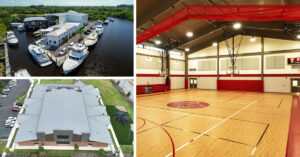 The Most Common Metal Building Misconceptions We Hear (Part 2)
 Vulcan Steel Structures Marks 40 Years of Innovation and Growth in Metal Building Manufacturing