
Choosing an UHP Graphite Electrode in 2026 requires more than comparing prices per ton. Steelmakers face stricter energy targets, unstable raw material costs, and higher expectations for furnace productivity. The correct electrode must match furnace power, transformer capacity, operating current, and tapping practice. A small mismatch can cause excessive oxidation, nipple damage, or unexpected breakage.
Experience matters here. Buyers should examine needle coke quality, bulk density, electrical resistivity, flexural strength, and thermal expansion. These figures should come from reliable test reports, not only a supplier’s product brochure. Pay close attention to electrode diameter, nipple design, machining accuracy, and the manufacturer’s quality controls. A detailed traceability system can reveal where each batch was produced and tested. Ask for recent performance data from furnaces with similar operating conditions.
UHP Graphite Electrode selection also involves practical supply decisions. Delivery stability, emergency stock, packaging quality, and technical support may influence production more than a low initial quotation. Inspectors should check threads, sealing surfaces, and visible cracks before installation. The process is not perfect. Laboratory values cannot fully predict every furnace event, and experienced operators may still disagree about the ideal grade. That uncertainty deserves honest discussion. A dependable supplier should explain limitations, provide corrective guidance, and support field verification. In 2026, the strongest choice will balance measurable performance, verified experience, lifecycle cost, and responsible purchasing. Performance first. Claims need evidence.
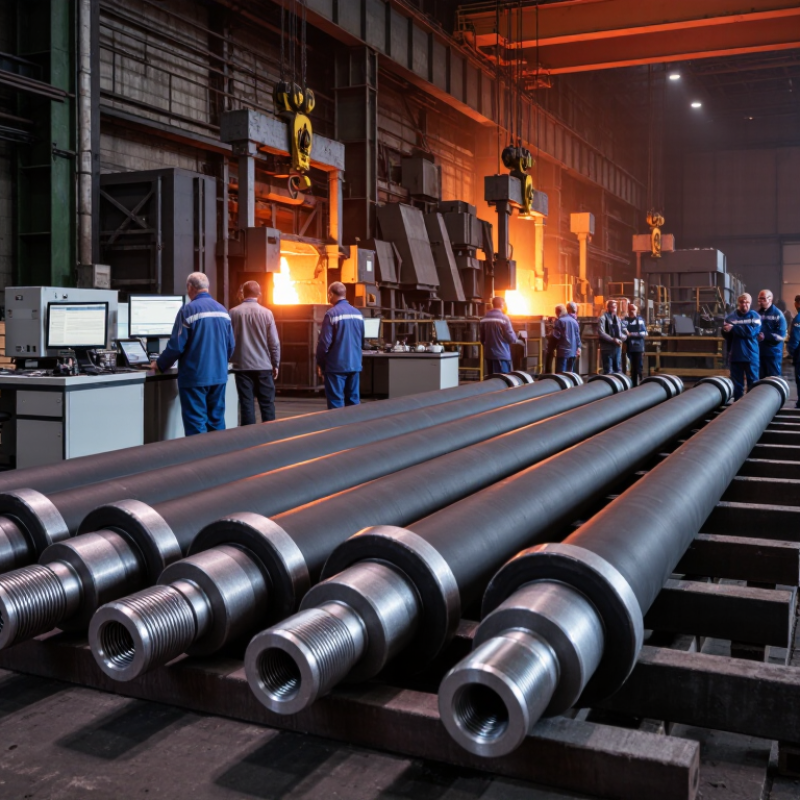
UHP graphite electrodes conduct extreme electrical current into electric arc furnaces. They withstand heat, mechanical stress, and repeated thermal shocks. Their role is central to scrap-based steelmaking.
The World Steel Association reported approximately 1.89 billion tonnes of crude steel production in 2023. Electric arc furnaces produced about 29% of that total. This share keeps electrode reliability commercially important.
UHP grades usually support current densities above 25 A/cm², according to common industry technical classifications. Higher current can shorten melting cycles and increase furnace productivity.
However, current density alone cannot determine electrode quality. Buyers should examine bulk density, electrical resistivity, flexural strength, oxidation resistance, and nipple performance.
A 600 mm electrode may appear suitable, yet poor joint precision can cause costly breakage during charging.
Look closely.
In 2026, selection should match furnace transformer capacity, operating current, steel grade, and tap-to-tap targets. The International Energy Agency identifies electric steelmaking as an important route for lowering emissions when electricity becomes cleaner.
That advantage weakens when electrodes oxidize rapidly or break unexpectedly. Practical users should request batch-level test certificates and review historical consumption per tonne of steel.
A common purchasing mistake is choosing the lowest price per tonne. The cheaper electrode may create longer outages, unstable arcs, and more carbon consumption.
No single specification works everywhere. Furnace data must decide.
Choosing UHP graphite electrodes in 2026 requires more than comparing a grade label. Start with the furnace operating data: transformer power, current density, electrode diameter, and tap-to-tap time. A 600 mm electrode may perform well in one furnace but suffer overheating in another. Record actual current, voltage, and electrode consumption during several heats.
Resistivity directly affects electrical efficiency and heat generation. Lower values usually support stronger current transmission, but the lowest figure is not always the best choice. Check bulk density, flexural strength, and elastic modulus together. High density can reduce gas penetration, while adequate strength helps the electrode withstand lifting, vibration, and rapid thermal changes. Thermal expansion coefficient matters too. A mismatch between electrode and nipple can create cracks near the joint.
Joint quality deserves careful attention. Review nipple dimensions, thread accuracy, contact resistance, and machining tolerances before approval. Ask for test reports linked to specific production batches, not generic certificates. Oxidation resistance should also be evaluated under the furnace’s real exposure conditions, especially during long power-on periods. Small differences matter. A neat specification sheet can still mislead when testing uses ideal laboratory conditions. I would also challenge unusually low consumption claims; they may ignore breakage, handling loss, or unstable furnace practice. Field records, traceable data, and a controlled trial provide stronger evidence than a persuasive sales table.
How to Choose UHP Graphite Electrodes in 2026?
Matching electrode grade to furnace design and operating conditions requires more than selecting the highest advertised current rating. A compact electric arc furnace with a powerful transformer may need very low resistivity and strong thermal-shock resistance. A larger furnace may demand greater diameter, longer nipple strength, and tighter dimensional control. Heat changes everything.
Review the furnace transformer capacity, secondary voltage, operating current, arc stability, and electrode consumption history. Compare these figures with the electrode’s apparent resistivity, bulk density, flexural strength, and coefficient of thermal expansion. High current density can improve melting speed, but it also increases heating at the electrode tip and joints. Small details matter. Cooling water leaks, unstable scrap, and long power-on periods can accelerate oxidation, even with premium UHP material.
Choose the grade around actual operating conditions, not only laboratory values. Roof height, electrode-column length, clamp pressure, and furnace control settings also affect breakage risk. In practical plant evaluations, a slightly stronger grade can outperform a lower-resistivity option when charging is irregular. That trade-off is easy to overlook. It is also worth checking whether the supplier’s test method matches your purchasing specification. Numbers can look precise while describing different conditions. A pilot trial, supported by consumption data and breakage records, often reveals more than a catalogue table. The decision may remain imperfect, but it should be measurable, documented, and revisited after production changes.
How to Choose UHP Graphite Electrodes in 2026?
Supplier comparison should begin with process evidence, not the lowest quotation. Request recent certificates of analysis for resistivity, bulk density, flexural strength, and thermal expansion. Check electrode diameter, length, machining tolerance, and nipple fit against your furnace design. A reliable supplier should explain testing methods and provide batch traceability. Factory audits, quality-system certification, and independent inspection add useful confidence.
Purchase cost extends far beyond the electrode price. Include ocean or inland freight, insurance, duties, packaging, storage, financing, and expected breakage. A cheaper electrode may create longer arc instability or more frequent replacements. That changes the real cost per melted tonne. Ask suppliers for historical consumption data under similar furnace loads. Their answer may be more valuable than a polished brochure.
Lead time deserves attention in 2026. Confirm monthly capacity, emergency allocation, production schedules, and communication procedures. Technical support also matters when nipple connections loosen or consumption rises unexpectedly. I would not pretend that one scorecard fits every furnace. It does not. A spreadsheet can still miss handling damage at the warehouse. Before approval, test a controlled quantity and compare consumption, power stability, breakage, and downtime. Keep the results beside the quoted price, because practical performance sometimes contradicts laboratory confidence.
Anonymous supplier benchmark for UHP graphite electrodes; indicative 2026 purchasing data in USD, based on a standard 600 mm × 2,700 mm electrode order.
| Evaluation Dimension | Supplier Profile A | Supplier Profile B | Supplier Profile C | Recommended Purchasing Interpretation |
|---|---|---|---|---|
| 1. Technical Quality and Compliance | ||||
| Product grade | UHP graphite electrode | UHP graphite electrode | UHP graphite electrode | Confirm that the grade is UHP rather than HP or RP before comparing price. |
| Applicable reference | IEC 60239 dimensional and technical reference; agreed purchase specification | IEC 60239 dimensional and technical reference; agreed purchase specification | IEC 60239 dimensional and technical reference; agreed purchase specification | Use one identical technical specification, inspection method, and tolerance schedule for all bids. |
| Nominal diameter | 600 mm | 600 mm | 600 mm | Check furnace transformer rating, allowable current, holder clearance, and nipple compatibility. |
| Standard length | 2,700 mm | 2,700 mm | 2,700 mm | Actual usable length may differ after handling and connection; specify permitted length tolerance. |
| Maximum electrical resistivity | ≤ 5.0 µΩ·m | ≤ 5.5 µΩ·m | ≤ 5.0 µΩ·m | Lower resistivity generally supports lower voltage drop and reduced electrical losses. |
| Minimum flexural strength | ≥ 10.0 MPa | ≥ 9.0 MPa | ≥ 10.0 MPa | Higher strength can reduce breakage risk during charging, vibration, and furnace operation. |
| Minimum bulk density | ≥ 1.68 g/cm³ | ≥ 1.65 g/cm³ | ≥ 1.68 g/cm³ | Density should be reviewed together with porosity, permeability, and impregnation quality. |
| Maximum coefficient of thermal expansion | ≤ 1.5 × 10⁻⁶/K | ≤ 1.6 × 10⁻⁶/K | ≤ 1.5 × 10⁻⁶/K | Lower CTE normally improves resistance to thermal shock and rapid heating cycles. |
| Recommended continuous current range | 40–50 kA | 40–48 kA | 40–50 kA | Final operating current must be confirmed against furnace design, steel grade, and operating practice. |
| Thread and nipple control | Gauge inspection and matching nipples included | Gauge inspection available as an additional service | Gauge inspection and matching nipples included | Thread accuracy, nipple fit, and contact-surface cleanliness are critical for preventing hot spots. |
| Pre-shipment quality documentation | Mill test certificate, dimensional report, packing list | Mill test certificate and packing list | Mill test certificate, dimensional report, photographs, packing list | Require batch traceability from raw material and processing lot through final shipment. |
| Independent inspection option | Available; buyer-paid | Available; buyer-paid | Included for orders above 50 pieces | Use third-party inspection for a new supplier, first shipment, or high-value order. |
| 2. Commercial Offer and Total Purchase Cost | ||||
| Quoted electrode price | US$3,650 per piece | US$3,420 per piece | US$3,780 per piece | The lowest unit price is not necessarily the lowest landed or effective operating cost. |
| Matching nipple price | US$355 per set | US$375 per set | US$335 per set | Confirm whether the quotation includes one nipple per electrode or charges nipples separately. |
| Order quantity used for comparison | 100 electrodes + 100 nipple sets | 100 electrodes + 100 nipple sets | 100 electrodes + 100 nipple sets | A common quantity and identical Incoterm are required for a meaningful comparison. |
| Product subtotal | US$400,500 | US$379,500 | US$411,500 | Includes electrodes and matching nipple sets before freight, insurance, duties, and inspection. |
| Estimated ocean freight and insurance | US$12,800 | US$14,200 | US$11,900 | Freight varies by origin, destination, season, container availability, and shipment terms. |
| Estimated destination handling | US$4,200 | US$4,200 | US$4,200 | Use the buyer’s actual port, terminal, customs broker, and inland transport quotations. |
| Estimated inspection and testing | US$1,800 | US$2,200 | US$0 | Inspection charges should be separated from product pricing for transparent procurement analysis. |
| Illustrative import duty and tax allowance | US$20,000 | US$18,975 | US$20,575 | Actual treatment depends on destination classification, origin, trade agreement, and tax recovery status. |
| Estimated landed purchase cost | US$439,300 | US$419,075 | US$448,175 | Calculated as product subtotal plus estimated freight, handling, inspection, and import allowance. |
| Landed cost per electrode set | US$4,393 | US$4,191 | US$4,482 | Per-set cost includes one 600 mm electrode and one matching nipple set. |
| Expected breakage or rejection allowance | 1.0% | 2.0% | 0.8% | Use historical consumption and claims data rather than supplier promises when setting this allowance. |
| Effective cost after quality allowance | US$4,437 per usable set | US$4,276 per usable set | US$4,518 per usable set | Illustrative formula: landed purchase cost ÷ (1 − expected rejection or breakage rate) ÷ 100 sets. |
| 3. Delivery, Risk, and Supplier Selection | ||||
| Standard production lead time | 45–60 days | 35–50 days | 55–70 days | Confirm capacity reservation before issuing a purchase order, especially during peak furnace demand. |
| Typical transit allowance | 25–40 days | 25–40 days | 25–40 days | Plan total supply time as production plus transit, customs clearance, inland delivery, and receiving inspection. |
| Payment structure | 30% advance; 70% against shipping documents | 20% advance; 80% against shipping documents | 30% advance; 70% before shipment | Use documentary controls or a letter of credit when supplier history is limited. |
| Warranty and claim response | Replacement or credit for verified manufacturing defects | Replacement or credit subject to inspection report | Replacement or credit for verified manufacturing defects | Define claim deadlines, evidence requirements, replacement timing, and responsibility for freight in the contract. |
| Overall selection indicator | Best quality-risk balance | Lowest effective cost | Strong documentation | For critical furnaces, prioritize verified performance, stable supply, and traceability over headline price alone. |
Data note: All supplier profiles are anonymous and the commercial figures are indicative purchasing benchmarks for comparison, not quotations from named companies. Technical limits should be confirmed by the approved product specification and test reports. Import duties, taxes, freight, currency conversion, and inspection costs must be recalculated for the buyer’s destination and delivery term.
How to Choose UHP Graphite Electrodes in 2026?
Checking electrode quality before installation protects furnace stability, power efficiency, and operator safety. World Steel Association data for 2024 shows electric arc furnaces produced about 28% of global crude steel. Demand for reliable electrodes remains significant. Quality checks should begin before the package reaches the furnace floor.
Inspect every electrode under strong, angled light. Look for longitudinal cracks, chipped ends, soft spots, and blocked socket threads. A clean surface can still hide internal damage. Request a lot-specific certificate showing bulk density, electrical resistivity, flexural strength, and coefficient of thermal expansion. ASTM C559 supports density and apparent-porosity testing. ASTM C611 covers electrical resistivity. Dimensions and tolerances should also match ISO 8006. Do not accept vague “UHP grade” claims without test values. That is a common weakness.
Tips: Keep electrodes dry and raised from the floor. Remove damaged wooden supports carefully. Check nipples for crushed threads or impact marks. Use a calibrated gauge for diameter and length. Confirm the electrode’s batch number matches its certificate. During assembly, clean contact surfaces and apply the specified torque. Excessive force may damage threads. Too little force can increase joint resistance. One overlooked point is storage time. Moisture and repeated temperature changes may affect joints, yet many inspections ignore them. A perfect-looking electrode is not automatically a dependable one.