How to Choose the Right Steel Framing Supplier?

Choosing the right steel framing supplier can shape a project long before installation begins. The decision affects structural performance, delivery schedules, labor efficiency, and long-term maintenance. A reliable supplier should provide more than competitive pricing. They should demonstrate practical experience with steel framing, accurate fabrication, consistent material quality, and clear technical communication.

Look for evidence, not promises. Ask for mill certificates, coating specifications, quality-control procedures, and recent project references. Review shop drawings carefully, including connection details, member sizes, hole locations, and stated tolerances. Small inaccuracies can create serious delays when crews are working on a busy site. Delivery planning also matters. Confirm production capacity, packaging methods, transport arrangements, and procedures for damaged or missing components. Clear answers are valuable.

Experience matters.

A capable supplier should understand changing site conditions. They should respond promptly when measurements differ from the original drawings. However, no supplier is perfect. A polished presentation may hide weak follow-up, and an impressive project list may not reflect your building type. I have learned that supplier selection requires uncomfortable questions and careful verification. Request samples where practical. Compare specifications line by line. Speak with previous customers about communication, rework, and delivery accuracy. The lowest quotation may become expensive after revisions, storage problems, or installation delays. A trustworthy partner explains limitations openly and supports decisions with documented evidence. That standard helps protect both the structure and the people who depend on it.
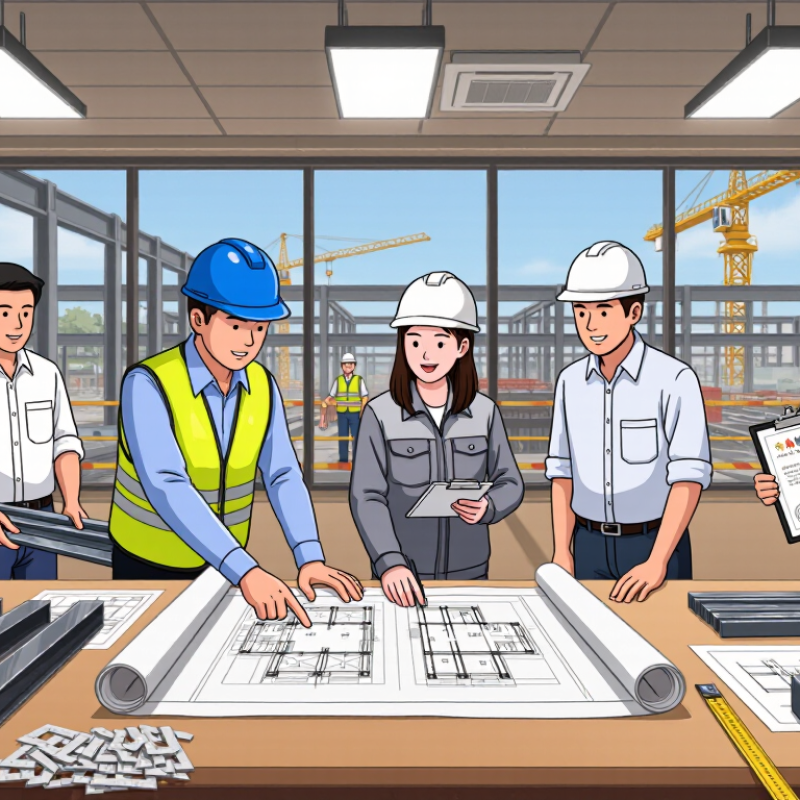
How to Choose the Right Steel Framing Supplier?

Understanding the Role of a Steel Framing Supplier

How to Choose the Right Steel Framing Supplier?

Understanding the Role of a Steel Framing Supplier

A steel framing supplier does more than sell metal components. They connect design plans with safe, buildable structures. Their team should review drawings, load requirements, connection details, and local construction standards. This review can expose problems before fabrication begins.

Good suppliers offer accurate engineering support. They can recommend suitable steel grades, section sizes, protective coatings, and fabrication methods. Ask how they control dimensions on the production line. Clear inspection records, material certificates, and traceable batch numbers show professional discipline. Delivery planning matters too. Poor packaging can damage finished sections before they reach the site.

I once focused too heavily on price. It caused delays when drawings changed late. That experience changed my questions. I now ask about revision control, technical communication, and replacement procedures. Small details matter. A dependable supplier explains risks instead of promising everything will be easy.

Site experience is valuable. Suppliers who understand installation can suggest practical sequencing and access solutions. They should also communicate realistic lead times. Fast delivery is useless if profiles arrive incorrectly labeled. Check their previous project experience, quality procedures, and response time before signing an agreement. No checklist is perfect. A careful conversation with the technical team may reveal more than a polished quotation.

Defining Your Project’s Structural and Service Requirements

How to Choose the Right Steel Framing Supplier?

Defining Your Project’s Structural and Service Requirements

Before comparing steel framing suppliers, define what the building must carry, resist, and support. Record spans, floor loads, wind exposure, seismic conditions, and connection types. Include openings for ducts, pipes, doors, and future equipment. A small omission can force expensive redesign later.

Walk through the site with the design team. Check access for delivery trucks, crane position, storage space, and installation clearance. Measure existing structures carefully, especially on renovation projects. Field dimensions are often less reliable than old drawings. That mistake can affect fabrication tolerances and connection alignment.

Your service requirements deserve equal attention. Ask whether the supplier provides structural calculations, shop drawings, connection details, material certificates, and inspection records. Confirm how changes will be handled after fabrication begins. Request realistic lead times and a delivery sequence that matches site progress. Clear documentation supports dependable decisions.

A qualified structural engineer should verify the design assumptions and applicable local requirements. Review the supplier’s quality procedures, welding qualifications, coating specifications, and traceability system. Ask how damaged members or incorrect parts are reported and replaced. Strong suppliers answer with records, not vague promises.

Be specific about performance. A frame exposed to coastal air needs different corrosion protection from one inside a dry warehouse. Fire resistance, thermal movement, vibration, and maintenance access may also shape the specification. I have seen projects focus heavily on steel tonnage while overlooking installation constraints. That imbalance deserves a second review.

Evaluating Supplier Quality, Experience, and Manufacturing Standards

Choosing a steel framing supplier requires more than comparing prices. Manufacturing quality should be visible in daily records, not only in promotional claims. The World Steel Association reported approximately 1.89 billion tonnes of crude steel production in 2023. That scale makes traceability essential. Ask for mill certificates, heat numbers, chemical analysis, and mechanical test results for each batch. Confirm that the documents match delivered members, not merely sample files.

Experience appears in controlled details. A capable supplier should explain its inspection plan, welding procedures, dimensional tolerances, corrosion protection, and nonconformance process. Check whether its quality system follows ISO 9001 and whether production aligns with applicable standards, such as AISI S100 or EN 1090. Independent audits add credibility. Still, a certificate is not proof of consistent work. Review recent project records, corrective-action reports, and delivery performance. Short answers can be revealing.

Factory conditions matter. Walk through material storage, cutting areas, welding stations, and final inspection. Look for labeled bundles, dry steel surfaces, calibrated gauges, and clear hold points. The World Steel Association identifies steel production as responsible for roughly 7%–9% of global carbon dioxide emissions, so responsible suppliers should also report energy use, recycled content, and emissions practices. These claims need evidence. A perfect supplier may not exist. A transparent one that admits defects, investigates them, and improves its process is often safer than a polished supplier with no visible problems.

Comparing Pricing, Lead Times, Delivery, and Technical Support

How to Choose the Right Steel Framing Supplier?

Selecting a steel framing supplier is rarely about the lowest quoted number. Compare identical grades, thicknesses, coatings, quantities, packaging, and inspection requirements before judging price. Ask for a line-by-line quotation, including tooling, testing, freight, insurance, and possible storage charges. A cheap offer can become expensive when missing items appear later. Reliable suppliers explain assumptions instead of hiding them in small print. Request recent project references and verify whether promised tolerances matched delivered material.

Lead time should be measured from approved drawings, not from the first email. Confirm production capacity, drawing-review stages, holidays, and the date materials can actually leave the facility. Delivery deserves equal attention. Check loading methods, bundle labels, weather protection, unloading access, and damage-reporting procedures. A late truck can stop an entire crew, even when fabrication was excellent. Technical support matters when site conditions change. Ask who answers connection questions, how quickly revised drawings arrive, and whether engineers join coordination calls. Support should continue after shipment.

Tips: Compare at least three quotes using one shared spreadsheet. Separate promised dates from guaranteed dates. Check whether pricing is fixed or adjustable. Request sample drawings and delivery records. I have learned that polished presentations can still conceal weak follow-through. That lesson is uncomfortable. Leave room for uncertainty, and record every assumption before signing.

Verifying Contracts, Compliance, References, and Long-Term Reliability

How to Choose the Right Steel Framing Supplier?

Choosing a steel framing supplier begins with contract review, not a polished brochure. Ask the supplier to define steel grades, tolerances, coatings, fabrication methods, and delivery dates. Every item should appear in writing. Check who owns design changes and rework costs. Vague language creates expensive disputes. Request sample drawings and a clear change-order procedure. A reliable supplier explains assumptions before requesting a deposit.

Compliance must be measurable. Request current mill certificates, welding qualifications, inspection records, and evidence of required building-code compliance. Confirm that certificates match the actual heat numbers on delivered steel. Ask how nonconforming parts are tagged, isolated, and replaced. Do not accept “fully compliant” as proof. An independent engineer or qualified inspector can review critical documents. This adds time, but it may expose gaps early.

References reveal long-term behavior better than sales claims. Speak with recent and older customers, especially those who faced delays or design revisions. Ask about response times, documentation, packaging, site damage, and warranty handling. Visit a completed project when possible. Look for corrosion, awkward connections, and repeated repairs. Financial stability, spare-part support, and production capacity also matter. Fast replies do not always mean reliable delivery. Sometimes neat paperwork still hides missed deadlines. Record concerns, test each explanation, and allow a second review before signing.