How to Choose the Best Pre Fab Buildings for Your Needs?

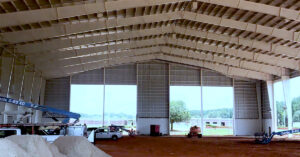
When exploring pre fab buildings, it's essential to consider various factors that align with your specific needs. These structures offer flexibility, cost-effectiveness, and durability. However, not all pre fab buildings are created equal. Understanding their unique features will help you make an informed choice.

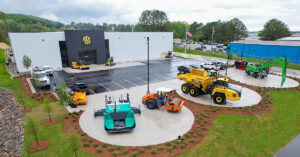
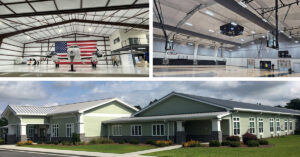
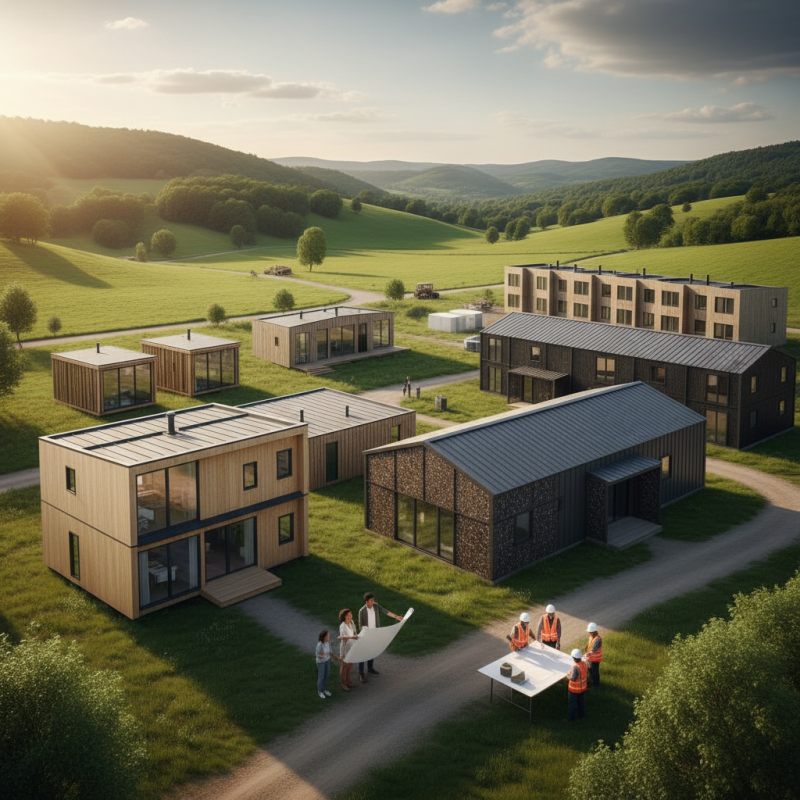
Pre fab buildings come in various styles and materials, each serving different purposes. For instance, some designs are better suited for residential use, while others are ideal for commercial spaces. Think about how you plan to use your building. Will it host a family? A business? This consideration shapes your decision.

Mistakes can happen if you rush the selection process. Skipping crucial details may lead to regret later. It's important to reflect on your priorities, such as size, functionality, and budget. Each factor impacts your long-term satisfaction with the building. Ensure that your choice truly meets your needs, rather than falling for aesthetic appeal alone.
How to Choose the Best Pre Fab Buildings for Your Needs?

Factors to Consider When Choosing Prefabricated Buildings

When selecting prefabricated buildings, consider your specific requirements. Think about the purpose of the structure. Will it be for storage, office space, or living quarters? Each need may demand different features such as insulation, ventilation, and layout. Choose wisely, as this decision impacts your comfort in the space.

Next, evaluate the materials used. Not all prefabricated structures are created equal. Some might use lower-quality materials to save costs. This could lead to durability issues later. Look for details about insulation types, frame materials, and finishes. Weigh the cost against long-term value and performance. Understand that what seems cheap now may turn into a problem down the road.

Lastly, consider the building’s design flexibility. If you have plans for future expansion, choose a customizable option. Remember, trends change and your needs may evolve. A rigid design can restrict your adaptability. Reflect on how your requirements may change in the future. Balancing current and potential needs is crucial in making a well-informed decision.
Types of Prefabricated Buildings and Their Uses

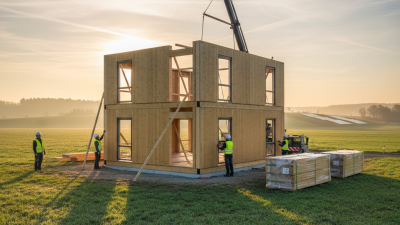
Prefabricated buildings come in various types, each serving unique needs. Modular buildings are popular for educational institutions. They can be quickly assembled and customized for classrooms or administrative spaces. A report by the Modular Building Institute shows that modular constructions can reduce building time by up to 50%. This efficiency is vital in fast-paced environments.

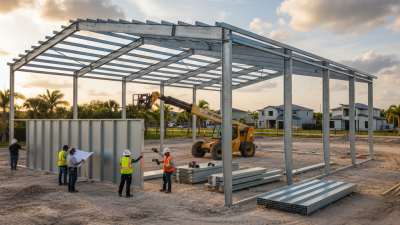
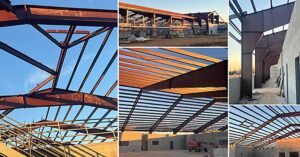
Another category is steel buildings. These are often used in industrial settings. They are durable and designed to withstand harsh weather. The American Institute of Steel Construction states that steel structures can last over 30 years with proper maintenance. However, the upfront costs can be a concern, making them a financial consideration.

Temporary prefabricated structures are also gaining traction. These buildings serve short-term needs for events or disaster recovery. Their mobility offers flexibility, allowing quick relocation to meet changing demands. Despite these benefits, there are challenges in regulations and approvals that can delay installation. Choosing the right type necessitates careful consideration of these factors.

Assessing Your Space and Layout Requirements

When choosing prefab buildings, assessing your space and layout is crucial. Start by measuring your lot accurately. Consider dimensions that suit your needs. Will you need extra room for future expansion? Define the purpose of your space. A workshop requires different layouts than living quarters.

Think about accessibility. How will people enter and exit? Is there parking available? Layout affects functionality. Positioning doors and windows can influence light and airflow. Keep your workflow in mind. A well-planned layout can enhance productivity. It might require adjustments along the way.

Reflect on how you envision using the space. Is it just for storage or will it serve multiple purposes? Think about furniture and equipment placement. A “perfect” floor plan may not exist. You might discover needs change over time. This requires flexibility in your design approach.

How to Choose the Best Pre Fab Buildings for Your Needs?

This chart displays the important factors to consider when choosing prefab buildings based on space and layout requirements. The data reflects the preferences of potential users.

Evaluating Material and Construction Quality

How to Choose the Best Pre Fab Buildings for Your Needs?

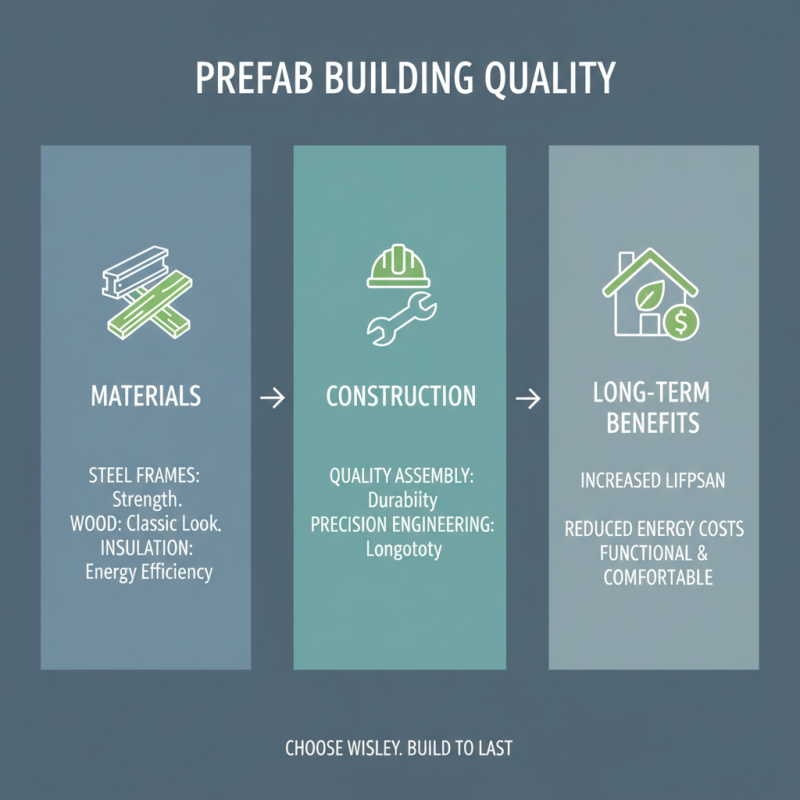
When choosing pre fab buildings, material and construction quality are crucial. These factors determine durability and long-term functionality. Evaluate the materials used in your building. Steel frames offer strength, while wood provides a classic look. Consider insulation materials as well; quality insulation can significantly impact energy efficiency.

Tips: Look for buildings with a tested design. This ensures they can withstand weather events. Check for certifications that verify material quality. Inspect the construction methods employed. Poorly assembled structures may lead to ongoing maintenance issues.

Choosing the right materials isn’t always simple. Sometimes what looks good on paper doesn’t perform well in reality. Research the suppliers and their track records. Seek reviews or testimonials from others who have made similar investments. Ask questions about warranties and maintenance requirements. A building may seem ideal at first, but without quality construction, it might not last.

Understanding Budget and Cost Implications

Choosing pre-fab buildings can be challenging, particularly regarding budget and costs. Start by assessing your total project budget. Consider not only the construction costs but also site preparation and utility connections. These expenses can add up quickly. Many overlook hidden costs, which can lead to financial strain.

Here are some tips to guide you. Research financing options to ease your budget concerns. Some lenders specialize in construction loans for pre-fab buildings. Also, be mindful of design choices. Customization can significantly impact pricing. Sometimes, simpler designs save money while providing the necessary functionality.

Watch out for ongoing maintenance costs. Pre-fab buildings may need less upkeep, but this isn't always the case. Quality varies among manufacturers, affecting future expenses. Ask questions and gather feedback from other builders to ensure you're making an informed decision. Balancing initial costs with long-term value is essential. Take time to reflect on these factors before finalizing your choice.

How to Choose the Best Pre Fab Buildings for Your Needs? - Understanding Budget and Cost Implications

Building Type Average Cost ($) Size (sq ft) Purpose Time to Assemble (Days)
Modular Office $25,000 500 Office Space 10
Storage Unit $15,000 300 Storage 5
On-site Classroom $30,000 600 Educational 15
Retail Kiosk 20,000 200 Retail 7
Recreational Cabin $40,000 800 Residential 20