Top 10 Advantages of Steel Buildings for Modern Construction
Steel buildings have gained significant popularity in modern construction due to their remarkable advantages. According to a report by the Steel Construction Institute, the use of steel can reduce construction time by up to 30%. This efficiency is crucial in today’s fast-paced environment, where time is money. Steel buildings are durable and can withstand extreme weather conditions. This resilience adds to their appeal in regions prone to natural disasters.
Moreover, steel buildings are often more cost-effective in the long run. They require less maintenance than traditional structures, which translates into savings over time. A study by the American Institute of Steel Construction highlights that buildings made from steel can lead to 20% lower operating costs. However, not every project may benefit equally from steel. Some considerations include initial costs and specific design requirements.
Environmental factors also play a role in the decision-making process. Steel is recyclable, making it a more sustainable choice than other materials. The construction industry is evolving, and steel buildings are at the forefront of this shift. Yet, it's essential to evaluate how they fit with unique project needs. As the reliance on sustainable practices grows, steel buildings will likely continue to reshape the landscape of modern construction.
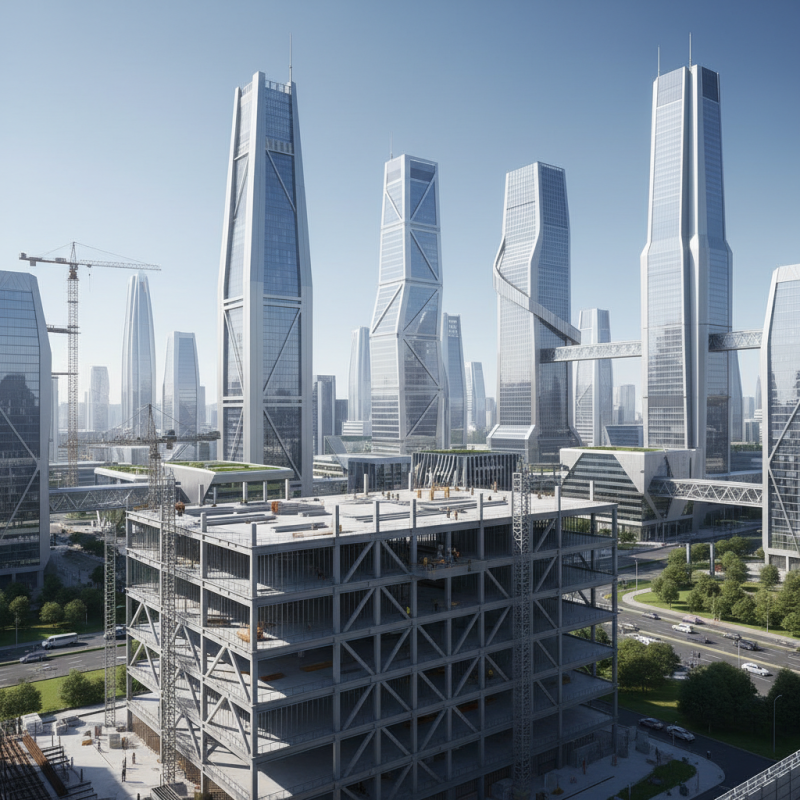
Benefits of Steel Buildings in Modern Architecture
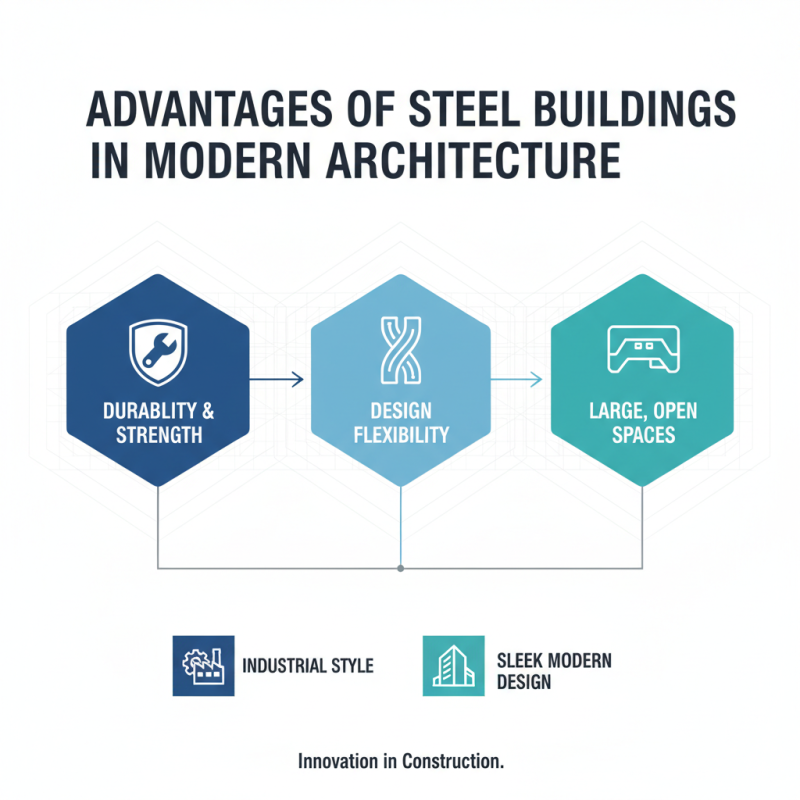
Steel buildings offer significant advantages for modern architecture. They stand out due to their durability and flexibility. The design possibilities are vast. Architects can create unique shapes and large open spaces. Steel structures can adapt to various styles, from industrial to sleek modern designs.
One key benefit is the speed of construction. Steel components are prefabricated, reducing onsite work. This efficiency often leads to lower labor costs. However, it's essential to plan carefully. Coordination between suppliers and contractors is crucial. Delays can arise if not managed well.
When considering a steel building, think about energy efficiency. Insulation can be integrated easily. Properly insulated steel buildings can reduce energy costs. Yet, be cautious about the initial investment. The upfront costs can be high, and ROI may take time. This is a critical factor that needs reflection.
Cost-Effectiveness: Reducing Construction Expenses
Steel buildings offer significant cost-effectiveness in modern construction. The materials are often less expensive than traditional options. Steel's durability means fewer repairs over time. Many choose steel for its strength and longevity. A well-built steel structure can last for decades with minimal maintenance.
Construction time is also reduced. Prefabricated steel components can be quickly assembled on-site. This speeds up the overall construction process and can save money on labor costs. While some may worry about initial investment, the long-term savings can outweigh upfront expenses.
Additionally, energy efficiency plays a role. Steel buildings can be designed to enhance insulation. This leads to lower energy bills during occupancy. There may be concerns about initial design choices. However, investing time in eco-friendly options can yield better financial returns.
Durability and Longevity of Steel Structures
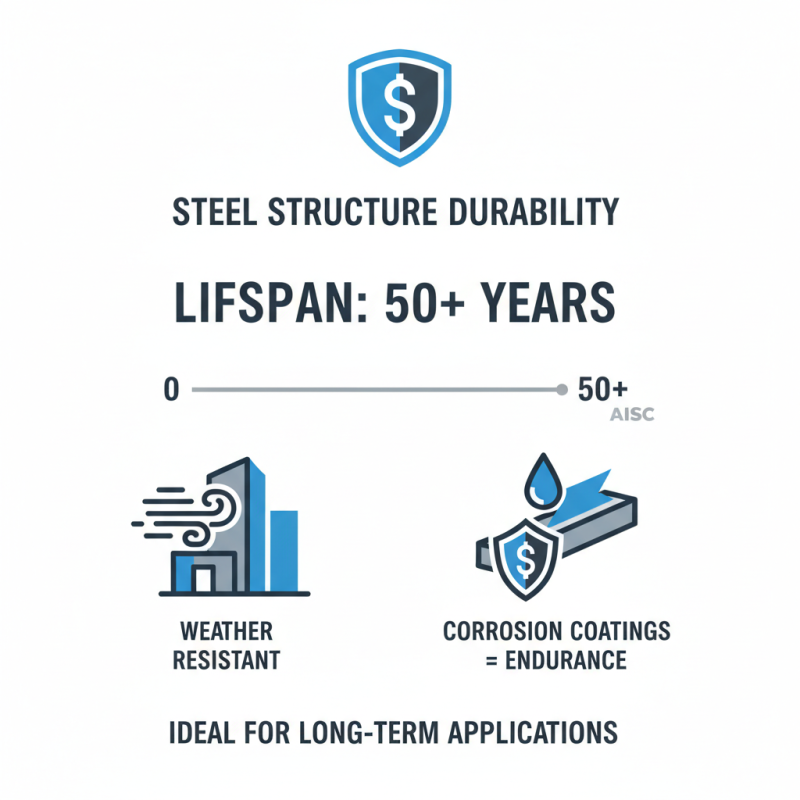
Steel structures are renowned for their durability and longevity. According to the American Institute of Steel Construction, steel has a lifespan exceeding 50 years. This property makes steel buildings an ideal choice for various applications. They withstand harsh weather better than many materials. Corrosion-resistant coatings enhance their ability to endure environmental stresses.
In addition, steel is highly resilient. It can handle significant loads without deformation. Industry reports indicate that steel structures can tolerate seismic events better than traditional buildings. This quality adds to their appeal in earthquake-prone regions. However, the upfront costs can be higher compared to wood or concrete. Some projects may face delays due to the complexities involved in steel fabrication. While the benefits are clear, these challenges must be acknowledged.
Sustainability is another advantage. Steel can be recycled multiple times without losing strength. The World Steel Association reports that 85% of steel is recycled worldwide. This aspect makes steel buildings more environmentally friendly. Still, the energy consumption during the initial production phase is significant. The industry is working on reducing this footprint, but it requires ongoing efforts.
Sustainability: Environmental Impact of Steel Buildings
Steel buildings represent a significant step toward
sustainability in modern construction. They require less energy to produce
compared to traditional materials. This means fewer greenhouse gas emissions. Additionally, steel is highly
durable, which reduces the need for frequent replacements. Buildings made from
steel can often last longer than those made with wood or concrete.
Recycling is another major advantage. Steel is
100% recyclable. When a steel building reaches its end of life, it can be repurposed.
This reduces waste in landfills. However, the recycling process isn't perfect. It's essential to ensure that it’s done
efficiently to maximize benefits.
Furthermore, steel buildings can incorporate green technologies
like solar panels. This can further decrease their carbon footprint. Yet, this integration can sometimes be challenging.
There may be initial costs that some might find difficult to justify. Achieving sustainability takes careful planning
and resources. Despite these challenges, the potential for a positive environmental impact is clear.
Versatility in Design and Functionality for Various Uses
Steel buildings offer remarkable versatility in design and functionality. Their structural integrity allows for expansive, open spaces that can be adapted for various purposes. Whether constructing warehouses, sports facilities, or retail spaces, steel allows for creative flexibility. According to the American Institute of Steel Construction, steel structures can reduce construction time by up to 30%. This speed can lead to cost savings and faster project turnover.
Design possibilities are vast. Architects appreciate steel's ability to create large spans and unique shapes. Some reports suggest that up to 90% of architects favor steel for its aesthetic and functional benefits. However, this aesthetic flexibility can sometimes lead to overdesign or unnecessary complexity. While innovation is crucial, a balance must be struck to ensure cost-effectiveness and practicality.
Functionality is another key advantage. Steel buildings can easily accommodate future needs. As industries change, layout adjustments can be made without significant structural modifications. Still, the initial design must consider long-term use. Misjudging future requirements could lead to costly renovations. Steel provides the framework, but thoughtful planning remains essential for optimal functionality.
Top 10 Advantages of Steel Buildings for Modern Construction



 Getting the Most Out of Your Metal Building
 Newsletter September 2025
 Construction Benefits to Know About the One Big Beautiful Bill Act
 Unexpected Uses for Metal Buildings You Might Not Have Thought Of
 The Most Common Metal Building Misconceptions We Hear (Part 2)
 Vulcan Steel Structures Marks 40 Years of Innovation and Growth in Metal Building Manufacturing